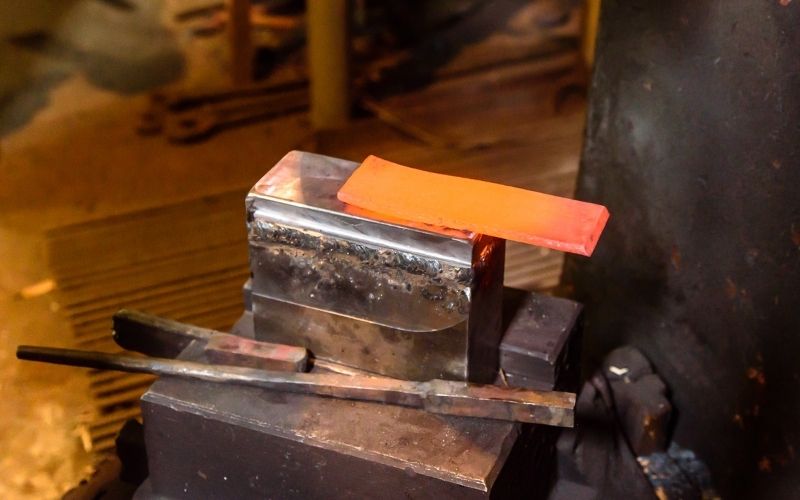
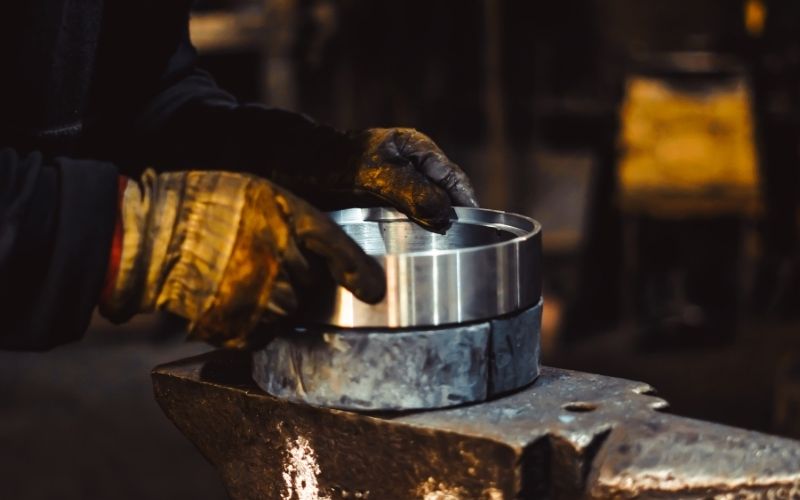
Aluminum forging is a metal-forming process that uses compressive force to shape aluminum and its alloys, enhancing their mechanical properties. With its lightweight nature and excellent corrosion resistance, aluminum has become a preferred choice across various industries.
Advantages of Forged Aluminum
✔ Lightweight: Aluminum’s low density makes it ideal for weight-sensitive applications.
✔ Corrosion Resistance: Naturally forms a protective oxide layer, improving durability in harsh environments.
✔ Excellent Strength-to-Weight Ratio: Forged aluminum components offer high strength while remaining lightweight.
✔ Superior Workability: The forging process improves machinability, enabling complex shapes.
✔ Recyclability: Highly recyclable, making forged components more environmentally friendly.
✔ Good Thermal & Electrical Conductivity : Ideal for heat exchangers.
The Carbon Steel Forging Process
Material Selection
Common alloys: 2024, 6061, 7075 (selected based on strength and corrosion requirements).
Heating
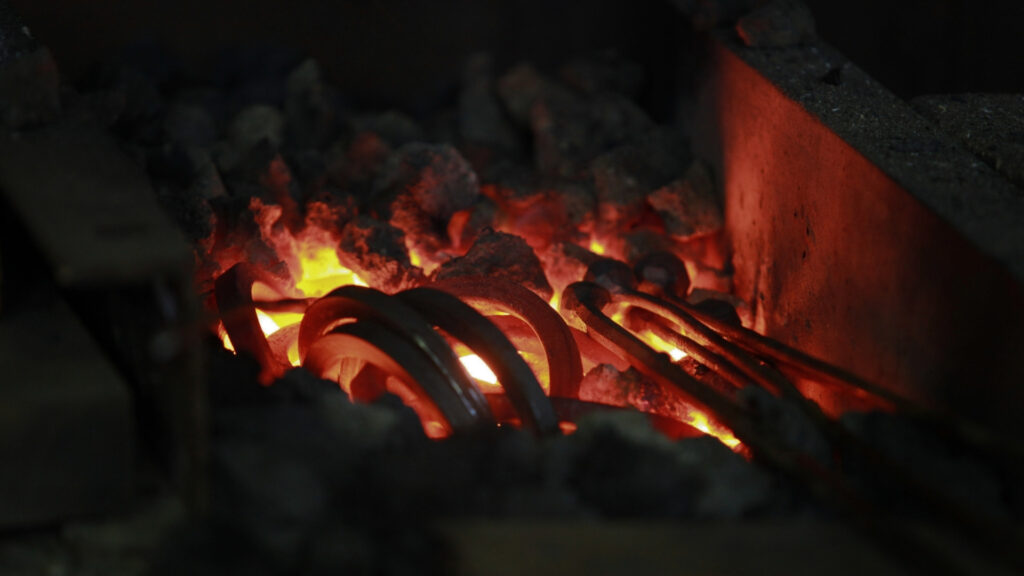
Hot Forging: Heated to 600°F – 900°F (315°C – 480°C) to prevent cracking.
Cold Forging: Used for smaller, high-precision components.
Shaping
Closed-Die Forging: For aerospace brackets, automotive wheels.
Open-Die Forging: Suitable for large structural parts.
Roll Forging: For elongated components like aircraft ribs.
Post-Forging Enhancement
Heat Treatment (T6 Tempering): Enhances strength.
Anodizing: Improves corrosion resistance.
Carbon Steel Forging Applications
Forged carbon steel components are widely used across various industries due to their strength and reliability.
Automotive
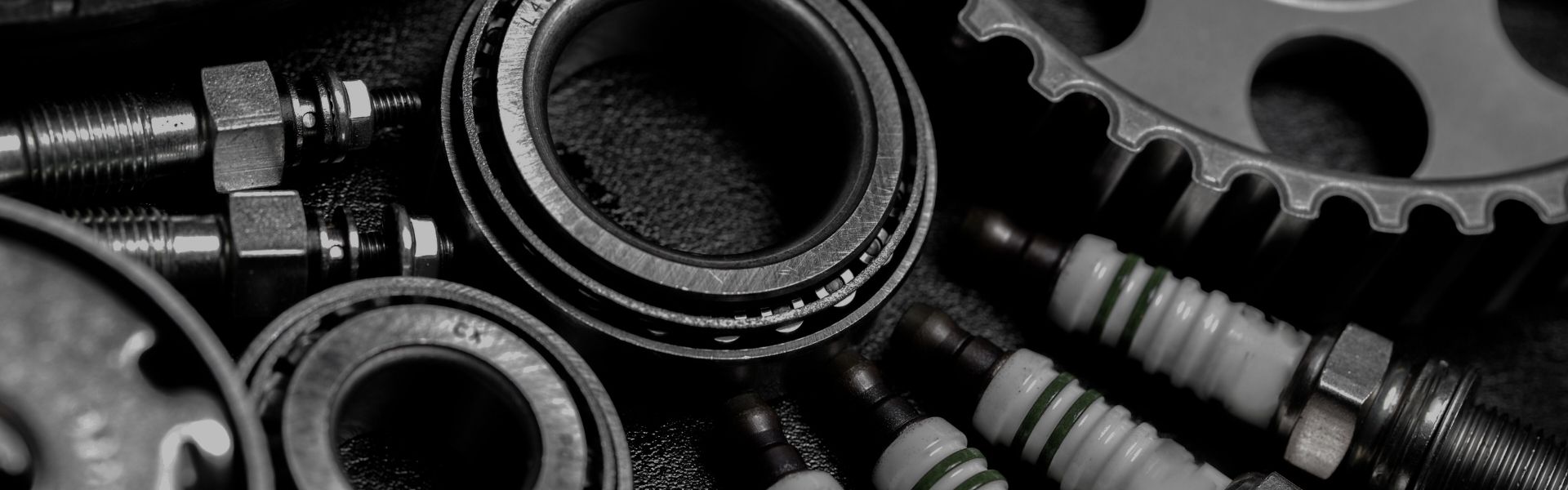
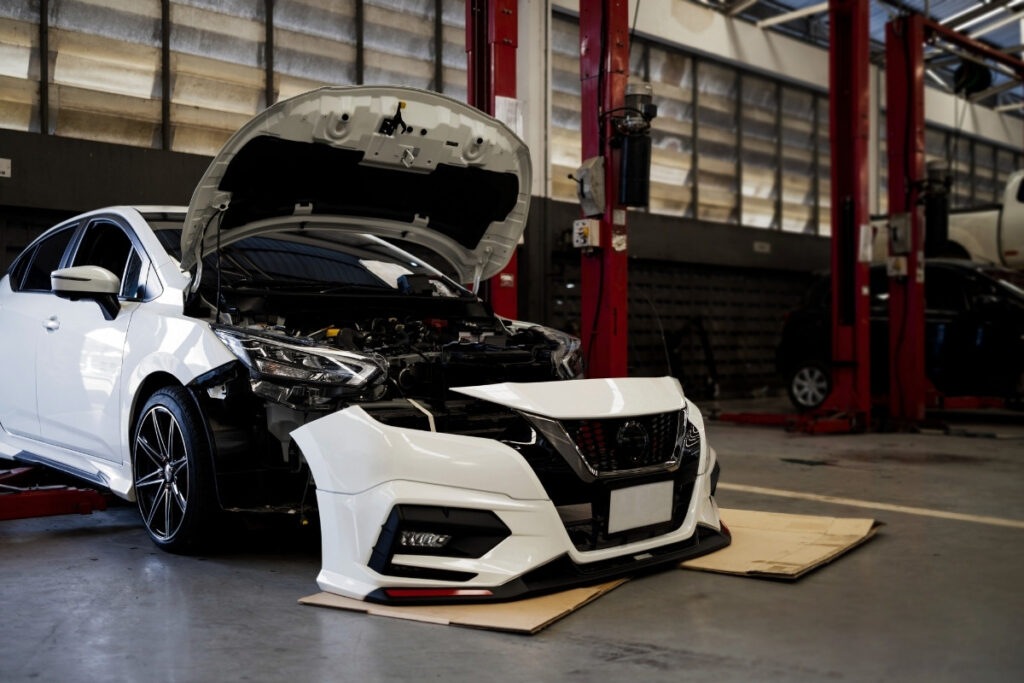
Engine parts, transmissions, and suspension components use forged aluminum to reduce weight.
Aerospace
Lightweight structural frames and aircraft components benefit from forged aluminum.
Construction
Building materials like beams and panels utilize aluminum for its strength and lightness.
REQUEST A FREE SAMPLE OR GET A CUSTOMIZED QUOTE NOW.