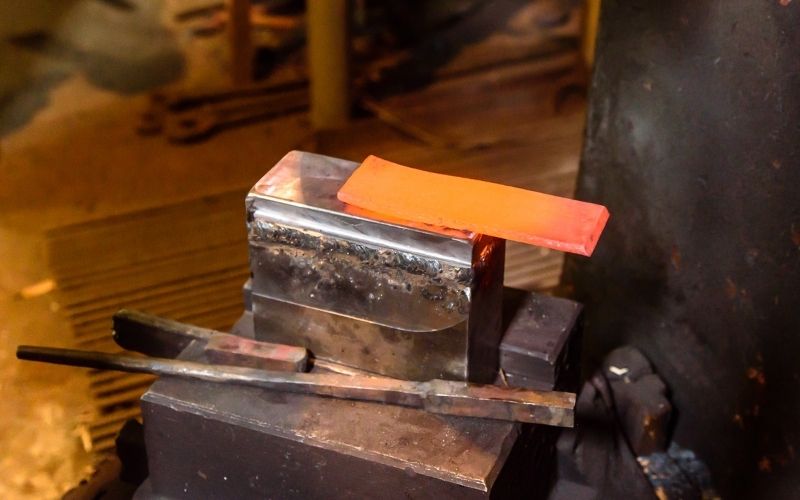
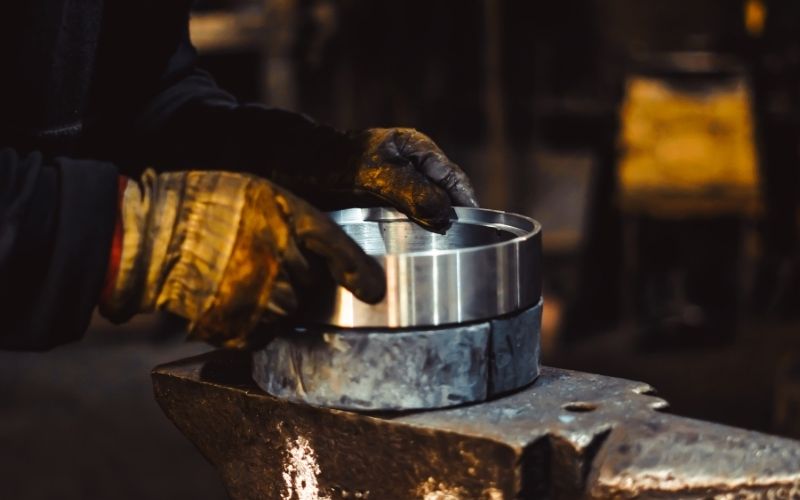
Copper is a metal renowned for its excellent electrical conductivity, corrosion resistance, and ductility. Copper forging is a metal-forming process that uses compressive force to shape copper or copper alloys (e.g., brass, bronze) into desired components.
Advantages of Copper Forging
✔ High Electrical & Thermal Conductivity – Essential for electronics.
✔ Superior Corrosion Resistance – Ensures longevity in marine/piping applications.
✔ Exceptional Ductility & Malleability– Easily forged into intricate shapes.
✔ Lightweight– Ideal for weight-sensitive applications.
Annealing: Softens cold-worked copper for further forming.
Machining & Polishing: Ensures smooth surfaces for electrical contacts.
Copper Forging Applications
Forged carbon steel components are widely used across various industries due to their strength and reliability.
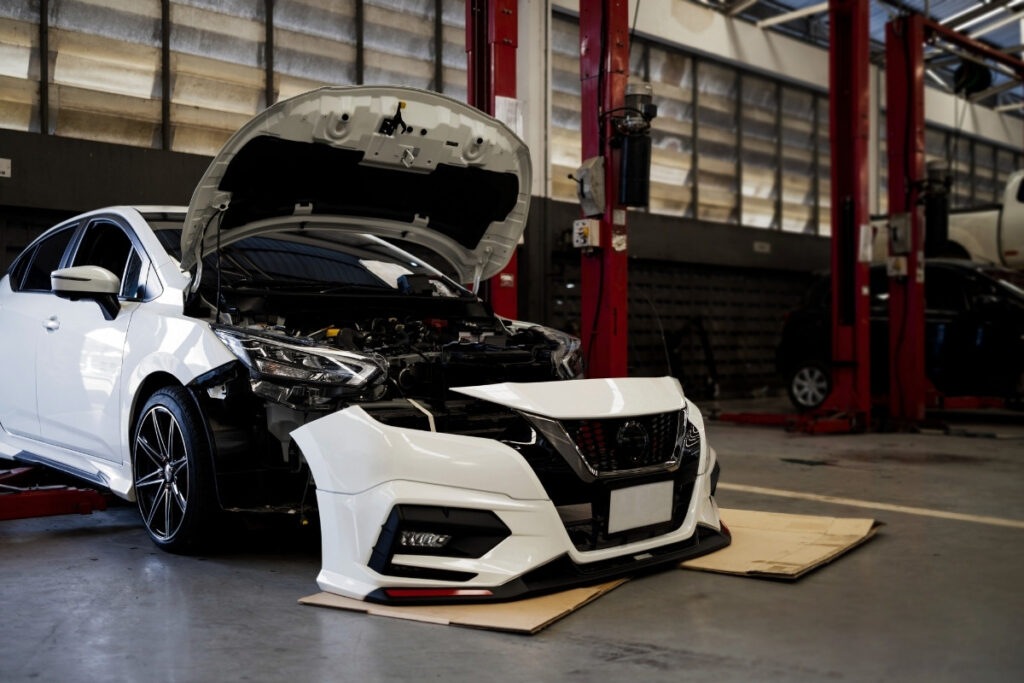
Automotive & Transportation
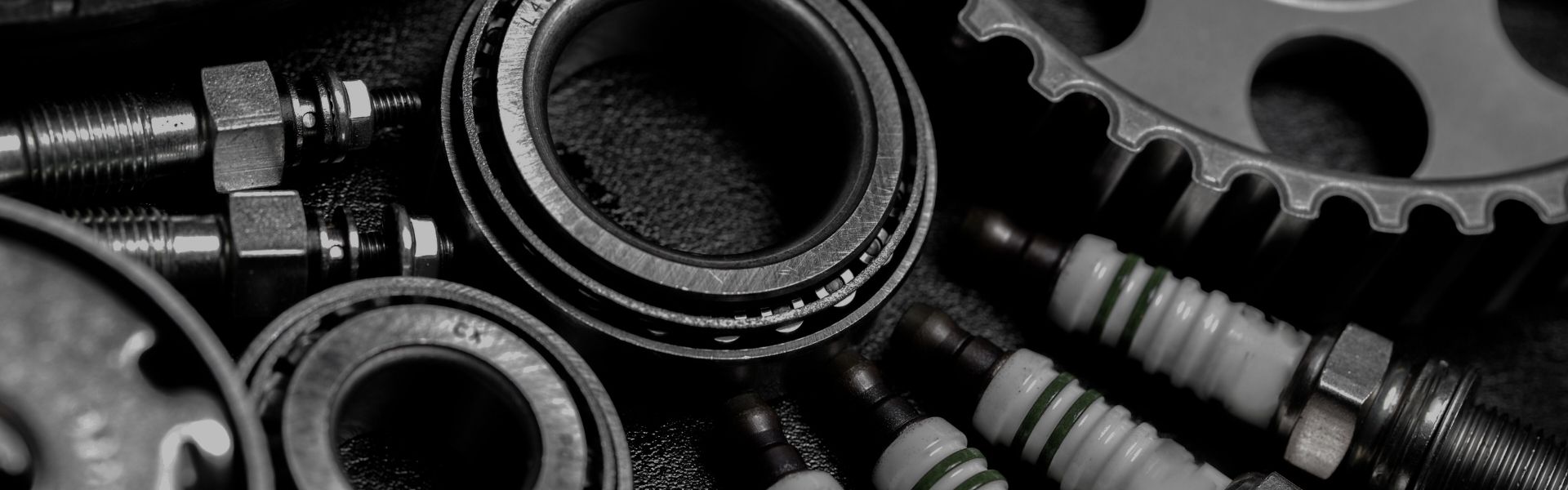
Parts such as crankshafts, connecting rods, gears, and axles are often forged to withstand high stress and wear.
Aerospace
Critical components like landing gear and structural parts require the strength and reliability of forged carbon steel.
Construction
Forged steel is used in structural applications, including beams, connectors, and fasteners, providing the necessary strength for buildings and infrastructure.
REQUEST A FREE SAMPLE OR GET A CUSTOMIZED QUOTE NOW.